
Dainichi Koi Farm
Dainichi Koi Farm
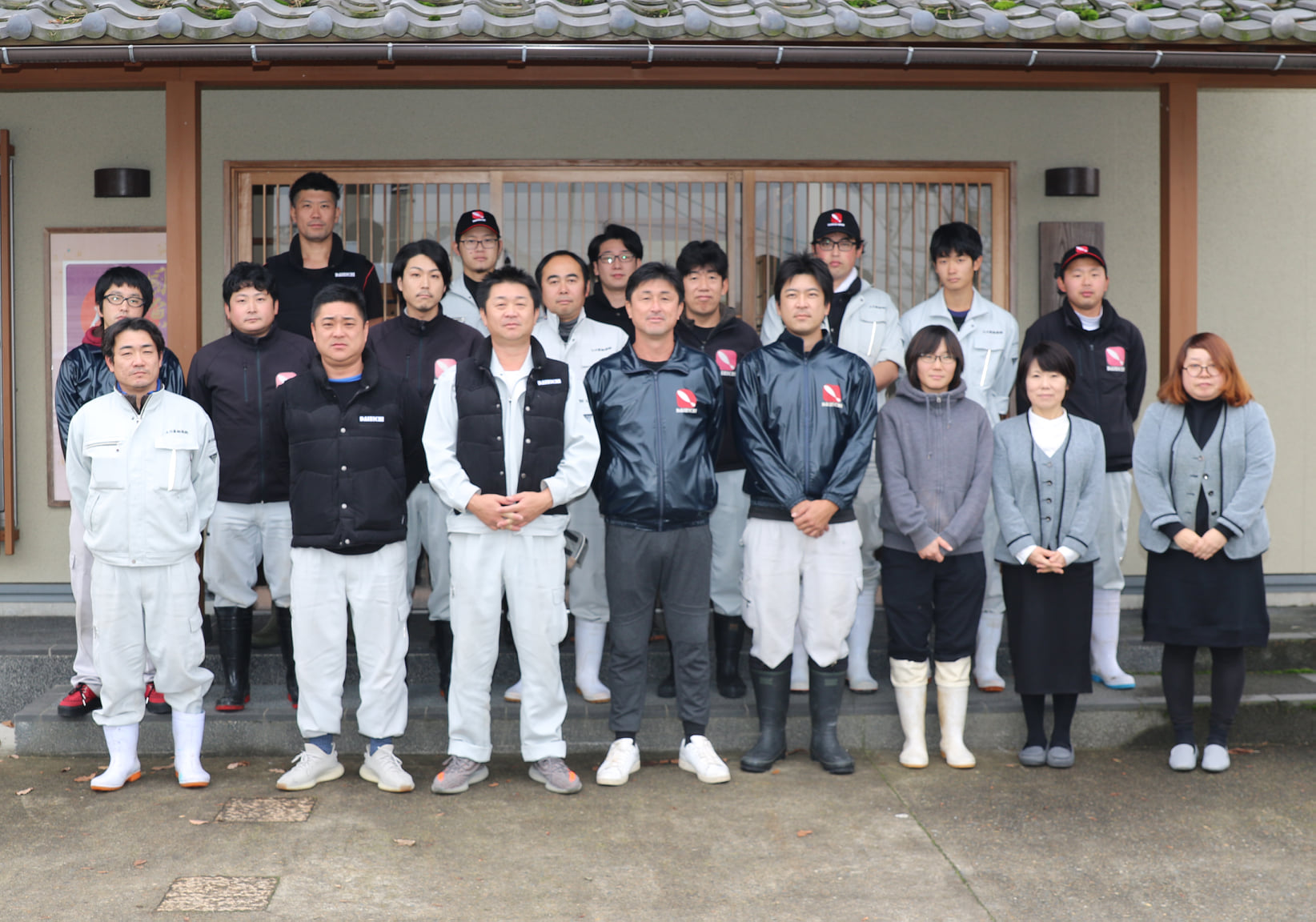
Dainichi Koi Farm is probably one of the most known breeders in the world. Because of its quality and body, everybody would like to have at least one nice Koi from Dainichi. Futoshi Mano and Shigeru Mano successfully took over the legend of their father and founder, the late Mano, and work hard to produce higher quality Nishikigoi. Dainichi Koi Farm has produced many famous show winners, including grand champions at the All Japan Nishikigoi Show, the biggest show in the world. They are one of the most well-established farms.
Owner(s): Futoshi Mano and Shigeru Mano
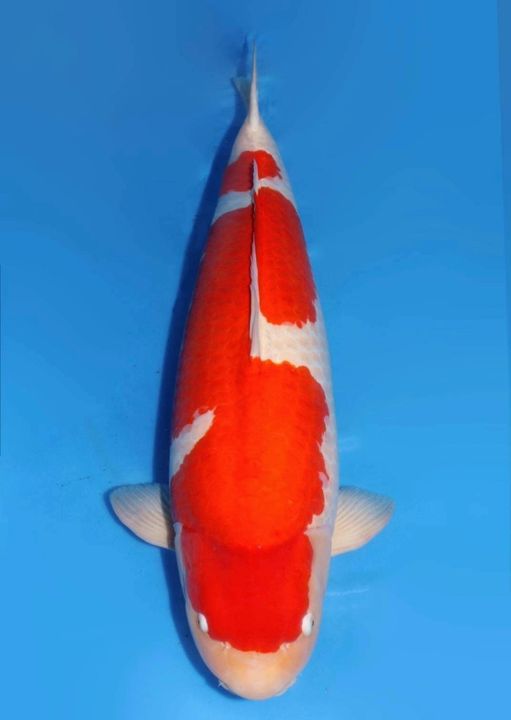
Specialty: Showa, Kohaku
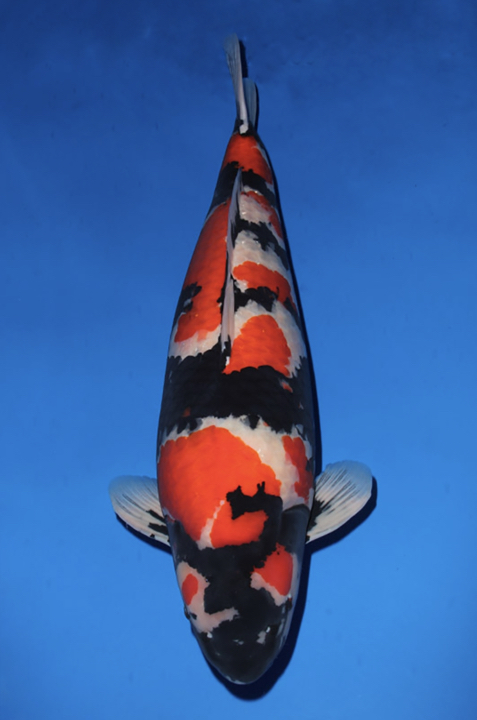
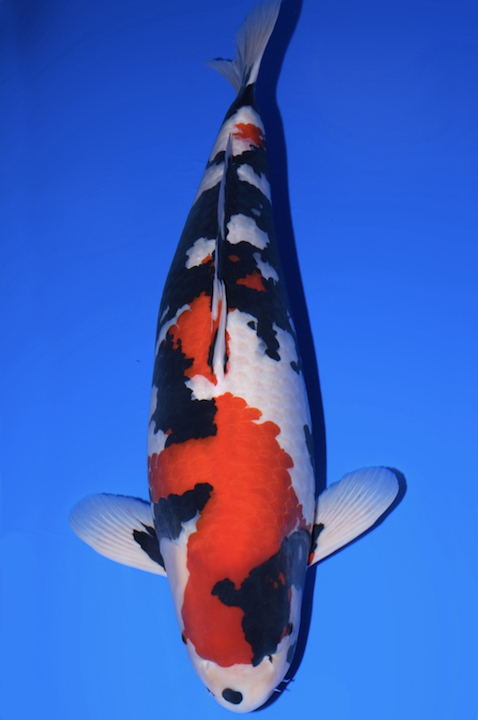
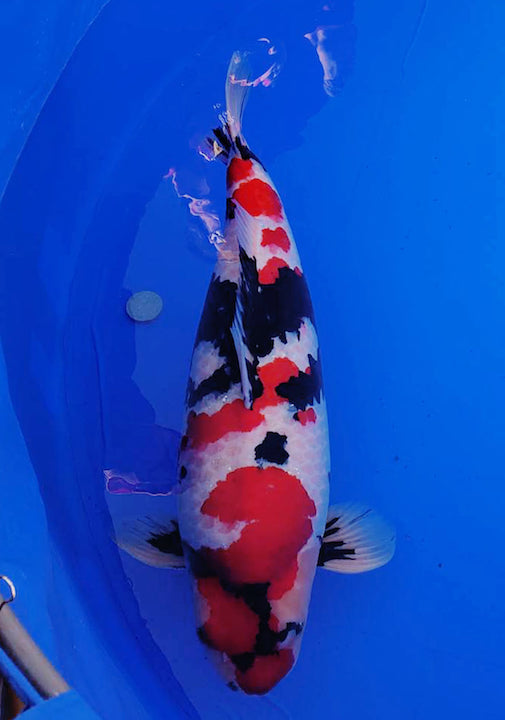
Dainichi Koi Farm is world renown and recognized as the founders of Japanese nishikigoi. Koi lovers around the world know Dainichi Koi Farm as the maker of Showa champions such as “Sakura” and “Kokyugo.”
Dainichi Bloodlines – They were the first to produce a large and beautiful championship Gosanke. Many well known koi breeders used the Dainichi bloodlines to start their own koi production.
Official farm name: Dainichi Koi Farm
Breeder: Mano Futoshi & Mano Shigeru
Area: Sanbusho, Ojiya
Raising area: 400.000 m2
Varieties: Showa, Kohaku, Sanke and other varieties
Dainichi Koi Farm
Creators of Beautiful Nishikigoi
Dainichi Koi Farm
Introducing Japanese Nishikigoi breeders means introducing Japanese representative breeders. For me to do so, I must begin with “Dainichi Koi Farm” because it is Dainichi who actually established the origin of Japanese Nishikigoi.
Lineage of Dainichi Koi Farm
The lineages the Dainichi brothers currently use all originated from the following three Nishikigoi.
Mr.Minoru Mano, their father, devoted his life establishing these lines: “Dainichi Kohaku,” “Dainichi Sanke” and “Dainichi Showa.” It is not too much to call them the “treasure” of the Nishikigoi industry.
It would be impossible for the brothers to produce more beautiful Nishikigoi, higher quality Nishikigoi no matter how hard them try. They are that excellent. I hope that they produce more of this quality and supply them around the world.
There is a lot of work involved in Nishikigoi breeding. More than you could expect. There are times when you have to work in overwhelming snow more than 1 meter (or 3.28 ft) in depth during winter season. You cannot sleep when you are hatching more than 8 million fries during the breeding season. You spend every single day until fall culling them till after releasing them to mud ponds In the meantime, you must take care of the bigger Koi, It is a series of hard work that all 9 staff members must work morning to night to complete. But all the Koi hobbyists, all the Dainichi fans look forward to their breeding Koi with “high quality” and “full of charm.” It falls upon you to give them good care when you obtain Dainichi Kohaku, Dainichi Sanke or Dainichi Showa because it will be the only Dainichi piece in the world. The late Mano dedicated his whole life to complete these lines. His sons inherited them and breed them carefully.
Body Conformation Distinguishes Koi of Dainichi
When it reaches 70 to 80cm(28″to 32″), its body conformation is perfect. The body is symmetrical and beautiful. The beauty is the result of its lineage as well as the method of raising it.
In Dainichi Koi Farm, they do not feed 3 to 5 year old Koi at all from October to April. This way, they remove all the gained fat during summer.
By repeating such absolute fasting during winters of 2 to 5 years, Nishikigoi of Dainichi can complete a more prefect beautiful body conformation when it reaches more than 80cm(32″). But, Nishikigoi from other lineages would not get the skinny body of Dainichi even if they fasted for 7 months. So we can think that this character of Nishikigoi losing all the fat during winter is another characteristic of Dainichi.
More than 80cm a Dainichi would coat at least 5 to 6 million yen (€50,000 to €60,000). Therefore, the secret of getting good Dainichi Koi is the get skinny, high quality 3 to 4 year old Nishikigoi.
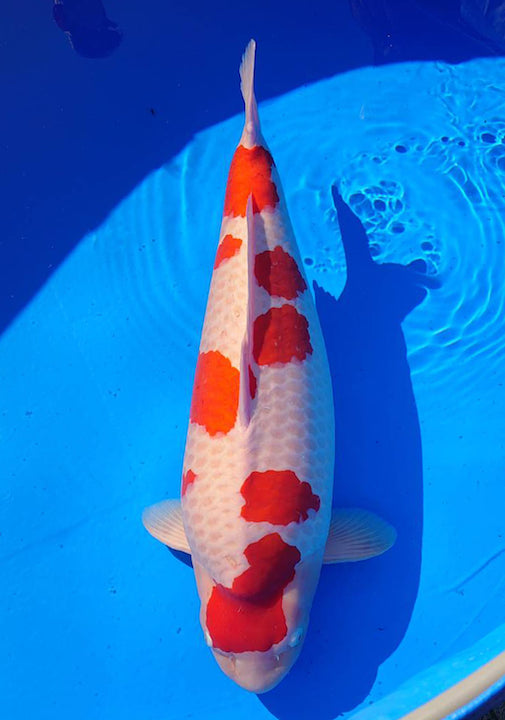
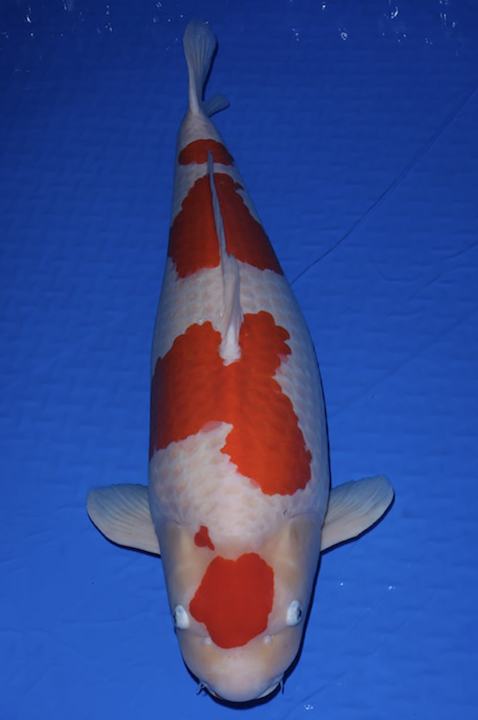
The second characteristic is skin quality. Quality in the case of Kohaku means ‘hi’ quality and ‘shiroji’ (white background) quality. On Koi of Dainichi, ‘shiroji’ is especially characterized.
Comparing with the other lineages would explain the difference easily. The ‘shiroji’ is like the one of pottery. Also, Fukurin appears more.
Some may say that Fukurin can be found only in Ogon variety. But it is not true. Fukurin appears in Kohaku, Taisho Sanke and showa, too. For the beauty of Fukurin, Dainichi Koi is regarded as a top of Japanese Nishikigoi.
Fukurin is an Important Key Point to Tell Quality
Ogon will have very beautiful Fukurin when it becomes 80 to 85cm(32″ to 34″). I think you know well about the Fukurin of Ogon. It is true that Fukurin came from Ogon. But this is not only for Ogon. We can find Fukurin in Kohaku, Sanke, and Showa variety, too.
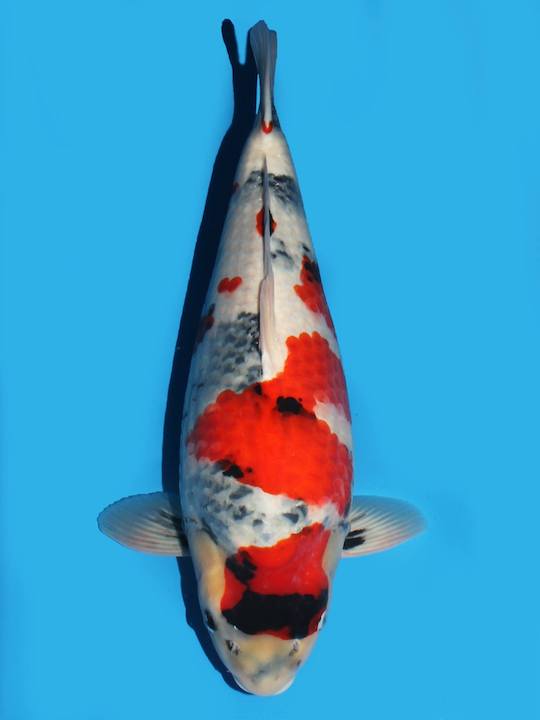
Fukurin is difficult to tell on 2 to 3 year old Koi. It will not be clear enough until Nishikigoi grow as big as 790 to 80cm(28″ to 32″).More than 30 years ago, there were no Kohaku, Taisho Sanke, and Showa over 70cm; there were only the very large Asagi and Ogon. Then we noticed the beauty of Fukurin on these large varieties. This is how the word Fukurin came about. Because other varieties like Gosanke wore still small at that time, we could not see Fukurin on them. This is why there was some misunderstanding that “Fukurin’ is the word only for Asagi and Ogon. But now when Gosanke can grow as big as more than 70cm, they can have beautiful Fukurin like this Taisho Sanke in the picture. Ofcourse, not all the Nishikigoi can necessarily have Fukurin, which is regarded as very high quality. Fukurin will appear on “hi” plate as well. But in this case, it appears beautiful especially the ‘shiroji’. A characteristic of Dainichi Sanke is this beautiful appearance of Fukurin.
Secret of Buying Dainichi Kohaku for Value Price
When Dainichi Koi are 3 to 5 years old, the body conformation is very thin and looks very poor. As the Koi grows, it will get more flesh on its body and from the beautiful body.
Dainichi Koi will become more beautiful and more powerful as it grows. It is natural that the price goes higher as it becomes more beautiful.
It is the charm of Koi hobby to buy high grade and quality Nishikigoi when it is still inexpensive. So, as far as Dainichi Koi is concerned, it is a good chance to buy when 3 to 5 year old Koi looks thin and poor. This is a little secret of buying good Dainichi Koi.
Though they are from the same lineage, and though they are even fro the same parents, not all of them will become as beautiful as their parents. At Dainichi, the hatch more than 8 million fries every saeason. But by fall, they only select 3,000 to 4,000 of the Tosai to keep. Moreover, they select about 1,000 tategoi to grow.
The Process of Nishikigoi becoming Beautiful Gives a Great Impression!
When we see beautiful Nishikigoi, we feel very impressed. Each person’s impression will vary. Nishikigoi that were living 200 year ago were just Magoi (black carp.) It was a series of trial and error and repeated unlimited times of breeding and culling to achieve this Showa. They turned the color of living Magoi to pure white skin and developed red patterns on the white skin. In addition, they made truly deep black or ‘sumi’, totally different quality and color from that of we can understand this value more and will be more impressed with this living artwork.
At Dainichi Koi Farm, form march to April, they spend every day in setting up the pipes to more than 100 ponds. Because the melting water is very good for Nishikigoi, this is very important work to do before the snow is melted. Breeders in Niigata do a lot of work, that we can never imagine, to produce beautiful Nishikigoi.
Photo Gallery
Contact Information
